
ID Registration Solutions
Go Anywhere
Register Everyone
Smart identity registration solutions to ensure no one is left behind.
Built for every environment
A registration solution for every environment
Urban area registrations
Register an entire population in weeks or months. Laxton’s registration kits package biometric capture hardware, power, connectivity, consumables and software into one deployable unit. Standardised kits mean operators train quickly and supervision happens remotely, with logistics refined at every national rollout.
Biometric registration kits

Urban area registrations
Register an entire population in weeks or months. Laxton’s registration kits package biometric capture hardware, power, connectivity, consumables and software into one deployable unit. Standardised kits mean operators train quickly and supervision happens remotely, with logistics refined at every national rollout.
Biometric registration kits
Urban area registrations
Register an entire population in weeks or months. Laxton’s registration kits package biometric capture hardware, power, connectivity, consumables and software into one deployable unit. Standardised kits mean operators train quickly and supervision happens remotely, with logistics refined at every national rollout.
Biometric registration kits
Remote area registrations
Reaching remote populations requires equipment that works without infrastructure. Our mobile registration devices are self-contained: full-day battery, offline capture with automatic sync, and biometric sensors built for heat, dust and humidity. A complete registration station in a single ruggedised device.
Ultra-mobile registration devices

Remote area registrations
Reaching remote populations requires equipment that works without infrastructure. Our mobile registration devices are self-contained: full-day battery, offline capture with automatic sync, and biometric sensors built for heat, dust and humidity. A complete registration station in a single ruggedised device.
Ultra-mobile registration devices
Remote area registrations
Reaching remote populations requires equipment that works without infrastructure. Our mobile registration devices are self-contained: full-day battery, offline capture with automatic sync, and biometric sensors built for heat, dust and humidity. A complete registration station in a single ruggedised device.
Ultra-mobile registration devices
In-office registrations
Desktop and kiosk configurations deliver consistent, high-quality biometric capture in a fixed setup built for high daily throughput. Suited for National ID, Travel ID, driving licence and civil registry programmes where a permanent office presence is required.
Registration desktops

In-office registrations
Desktop and kiosk configurations deliver consistent, high-quality biometric capture in a fixed setup built for high daily throughput. Suited for National ID, Travel ID, driving licence and civil registry programmes where a permanent office presence is required.
Registration desktops
In-office registrations
Desktop and kiosk configurations deliver consistent, high-quality biometric capture in a fixed setup built for high daily throughput. Suited for National ID, Travel ID, driving licence and civil registry programmes where a permanent office presence is required.
Registration desktops
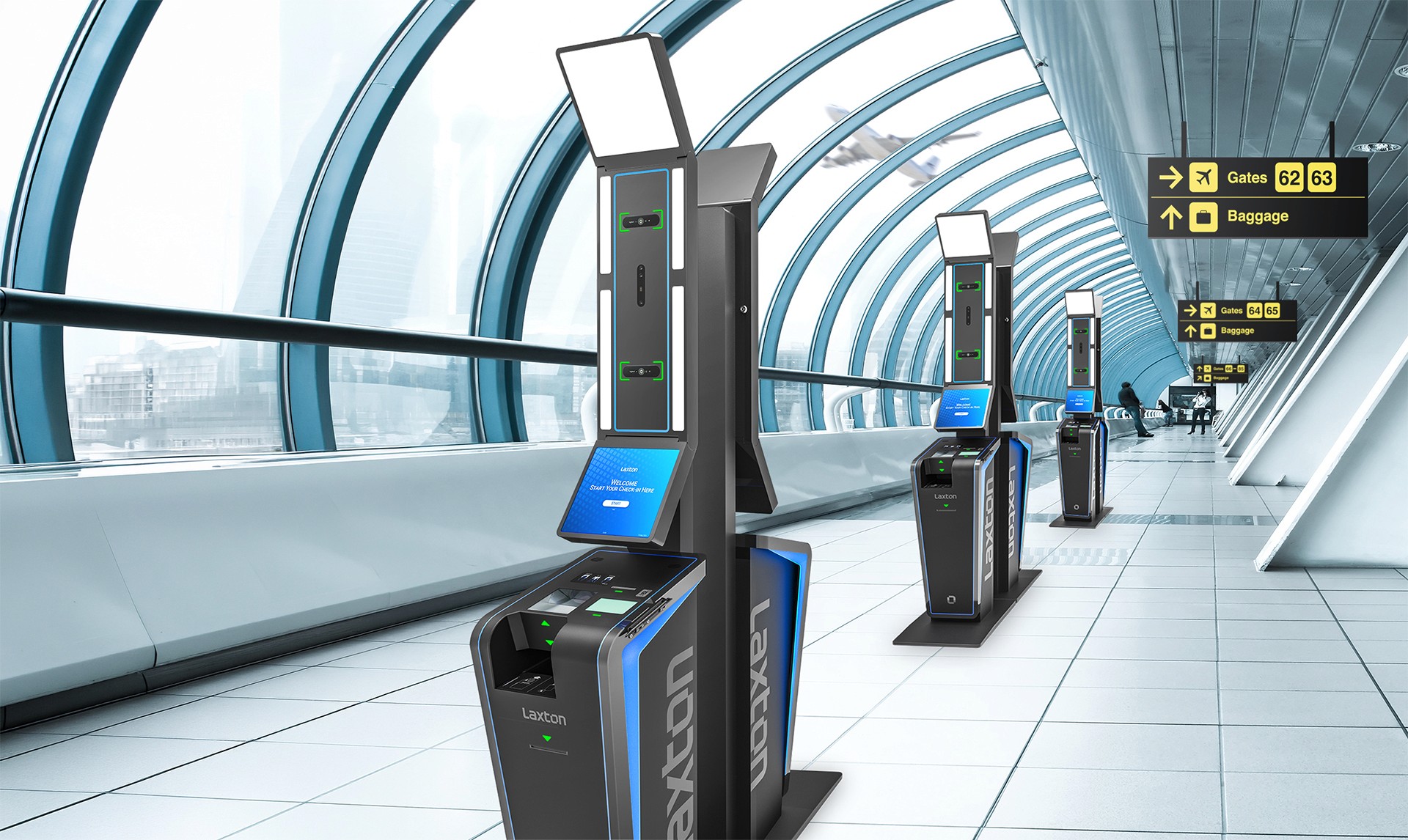
Self-service registrations
Self-service kiosks let citizens enroll their own identity data without staff assistance. On-screen prompts guide users through capturing biometrics and biographic details, with real-time validation to reduce errors. Built for high-traffic spaces, they shorten queues and extend registration into malls, offices and remote points.
Self-service kiosks
Self-service registrations
Self-service kiosks let citizens enroll their own identity data without staff assistance. On-screen prompts guide users through capturing biometrics and biographic details, with real-time validation to reduce errors. Built for high-traffic spaces, they shorten queues and extend registration into malls, offices and remote points.
Self-service kiosks
Self-service registrations
Self-service kiosks let citizens enroll their own identity data without staff assistance. On-screen prompts guide users through capturing biometrics and biographic details, with real-time validation to reduce errors. Built for high-traffic spaces, they shorten queues and extend registration into malls, offices and remote points.
Self-service kiosks
Online pre-registrations
Online pre-registration lets citizens submit biographic data and book enrollment appointments before arriving at a centre. The result: shorter queues, faster processing and operators spending less time on data entry. For programme managers, it means predictable throughput, cleaner data and centres that run at capacity.
View Athena

Online pre-registrations
Online pre-registration lets citizens submit biographic data and book enrollment appointments before arriving at a centre. The result: shorter queues, faster processing and operators spending less time on data entry. For programme managers, it means predictable throughput, cleaner data and centres that run at capacity.
View Athena
Online pre-registrations
Online pre-registration lets citizens submit biographic data and book enrollment appointments before arriving at a centre. The result: shorter queues, faster processing and operators spending less time on data entry. For programme managers, it means predictable throughput, cleaner data and centres that run at capacity.
View Athena
The identity lifecycle
Registration is where the programme starts
01
Registration
Field-ready devices capture biographic data and biometrics in one workflow.
02
De-duplication
ABIS integration flags duplicate records before they enter the registry.
03
Adjudication
Configurable workflows route flagged cases to authorised operators.
04
Personalisation
Encode and print high-security documents to international standards.
See the full lifecycle
inclusive identity programmes
Reach all citizens, from cities to remote areas.

Cities
Registration solutions built for high volumes. Multiple stations run in parallel, so large urban populations are enrolled quickly and queues stay short.

Towns
Ruggedised equipment built to register citizens at district offices and temporary sites. It withstands frequent transport, dust and heat, so teams can keep enrolling as they move between locations.

Communities
Mobile registration that works offline. Solar panels are available for sites without a reliable power supply, so enrolment can continue.

Remote
Ultra mobile registration solutions for citizens in the most remote areas. No internet and no mains power required.

Certified partner
MOSIP SI Partner
Laxton is a certified MOSIP System Integrator, delivering open-source foundational identity platforms tailored to national programme requirements.
View MOSIP solution

Certified partner
MOSIP SI Partner
Laxton is a certified MOSIP System Integrator, delivering open-source foundational identity platforms tailored to national programme requirements.
View MOSIP solution
Certified partner
MOSIP SI Partner
Laxton is a certified MOSIP System Integrator, delivering open-source foundational identity platforms tailored to national programme requirements.
View MOSIP solution

Malawi · National ID programme
”
In a record time of 180 days, 9.1 million citizens were registered with their biometric attributes. Malawi’s first biometric citizen database was established, a model for other countries to follow.
Tariq Malik
World Bank
9.1M
Citizens registered
180 days
To a national database
1st
Biometric database
Malawi · National ID programme
”
In a record time of 180 days, 9.1 million citizens were registered with their biometric attributes. Malawi’s first biometric citizen database was established, a model for other countries to follow.
Tariq Malik
World Bank
9.1M
Citizens registered
180 days
To a national database
1st
Biometric database
Malawi · National ID programme
”
In a record time of 180 days, 9.1 million citizens were registered with their biometric attributes. Malawi’s first biometric citizen database was established, a model for other countries to follow.
Tariq Malik
World Bank
9.1M
Citizens registered
180 days
To a national database
1st
Biometric database
Frequently asked questions
What is ID registration?
ID registration is the process of capturing a citizen’s demographic and biometric data to establish a verified identity record, forming the foundation for national ID, voter, travel and civil registration programmes.
Can registration work without internet or electricity?
Yes. Registration kits and mobile devices operate fully offline using onboard storage and battery or solar power, capturing data in the field and synchronising securely once connectivity is restored.
What registration setups does Laxton offer?
Registration kits for nationwide campaigns, ultra-mobile devices for remote areas, desktops and kiosks for in-office enrolment, and self-service kiosks for citizen-led registration, each matched to the operating environment.
How are duplicate registrations prevented?
Captured biometrics are checked against the enrolment database in real time, flagging suspected duplicates for adjudication before the record is confirmed, with full population deduplication run before the register is finalised.
Which biometrics does Laxton capture?
Fingerprint, face and iris. Multimodal capture ensures reliable identification across an entire population, including worn fingerprints from elderly or manual-labour populations, with quality checks applied at the point of capture.
How does Laxton reach remote populations?
Self-contained mobile registration devices travel to villages and households, with full-day battery, offline capture and sensors built for heat, dust and humidity, extending registration beyond fixed offices to every community.
How is data quality ensured during registration?
Structured workflows enforce data-completeness checks and real-time biometric quality assessment, rejecting poor samples at the point of capture so only data that meets matching thresholds enters the system.
Frequently asked questions
What is ID registration?
ID registration is the process of capturing a citizen’s demographic and biometric data to establish a verified identity record, forming the foundation for national ID, voter, travel and civil registration programmes.
Which biometrics does Laxton capture?
Fingerprint, face and iris. Multimodal capture ensures reliable identification across an entire population, including worn fingerprints from elderly or manual-labour populations, with quality checks applied at the point of capture.
Can registration work without internet or electricity?
Yes. Registration kits and mobile devices operate fully offline using onboard storage and battery or solar power, capturing data in the field and synchronising securely once connectivity is restored.
How does Laxton reach remote populations?
Self-contained mobile registration devices travel to villages and households, with full-day battery, offline capture and sensors built for heat, dust and humidity, extending registration beyond fixed offices to every community.
What registration setups does Laxton offer?
Registration kits for nationwide campaigns, ultra-mobile devices for remote areas, desktops and kiosks for in-office enrolment, and self-service kiosks for citizen-led registration, each matched to the operating environment.
How is data quality ensured during registration?
Structured workflows enforce data-completeness checks and real-time biometric quality assessment, rejecting poor samples at the point of capture so only data that meets matching thresholds enters the system.
How are duplicate registrations prevented?
Captured biometrics are checked against the enrolment database in real time, flagging suspected duplicates for adjudication before the record is confirmed, with full population deduplication run before the register is finalised.
Frequently asked questions
What is ID registration?
ID registration is the process of capturing a citizen’s demographic and biometric data to establish a verified identity record, forming the foundation for national ID, voter, travel and civil registration programmes.
Can registration work without internet or electricity?
Yes. Registration kits and mobile devices operate fully offline using onboard storage and battery or solar power, capturing data in the field and synchronising securely once connectivity is restored.
What registration setups does Laxton offer?
Registration kits for nationwide campaigns, ultra-mobile devices for remote areas, desktops and kiosks for in-office enrolment, and self-service kiosks for citizen-led registration, each matched to the operating environment.
How are duplicate registrations prevented?
Captured biometrics are checked against the enrolment database in real time, flagging suspected duplicates for adjudication before the record is confirmed, with full population deduplication run before the register is finalised.
Which biometrics does Laxton capture?
Fingerprint, face and iris. Multimodal capture ensures reliable identification across an entire population, including worn fingerprints from elderly or manual-labour populations, with quality checks applied at the point of capture.
How does Laxton reach remote populations?
Self-contained mobile registration devices travel to villages and households, with full-day battery, offline capture and sensors built for heat, dust and humidity, extending registration beyond fixed offices to every community.
How is data quality ensured during registration?
Structured workflows enforce data-completeness checks and real-time biometric quality assessment, rejecting poor samples at the point of capture so only data that meets matching thresholds enters the system.
SOLUTIONS
PRODUCTS
RESOURCES
Company
Corporate Responsibility

Laxton is a DNP Company
DNP is a leading global innovator in secure printing, smart communication, and digital solutions.
SOLUTIONS
PRODUCTS
RESOURCES
Company
Corporate Responsibility
Laxton is a DNP Company
DNP is a leading global innovator in secure printing, smart communication, and digital solutions.
SOLUTIONS
PRODUCTS
RESOURCES
Company
Corporate Responsibility
Laxton is a DNP Company
DNP is a leading global innovator in secure printing, smart communication, and digital solutions.